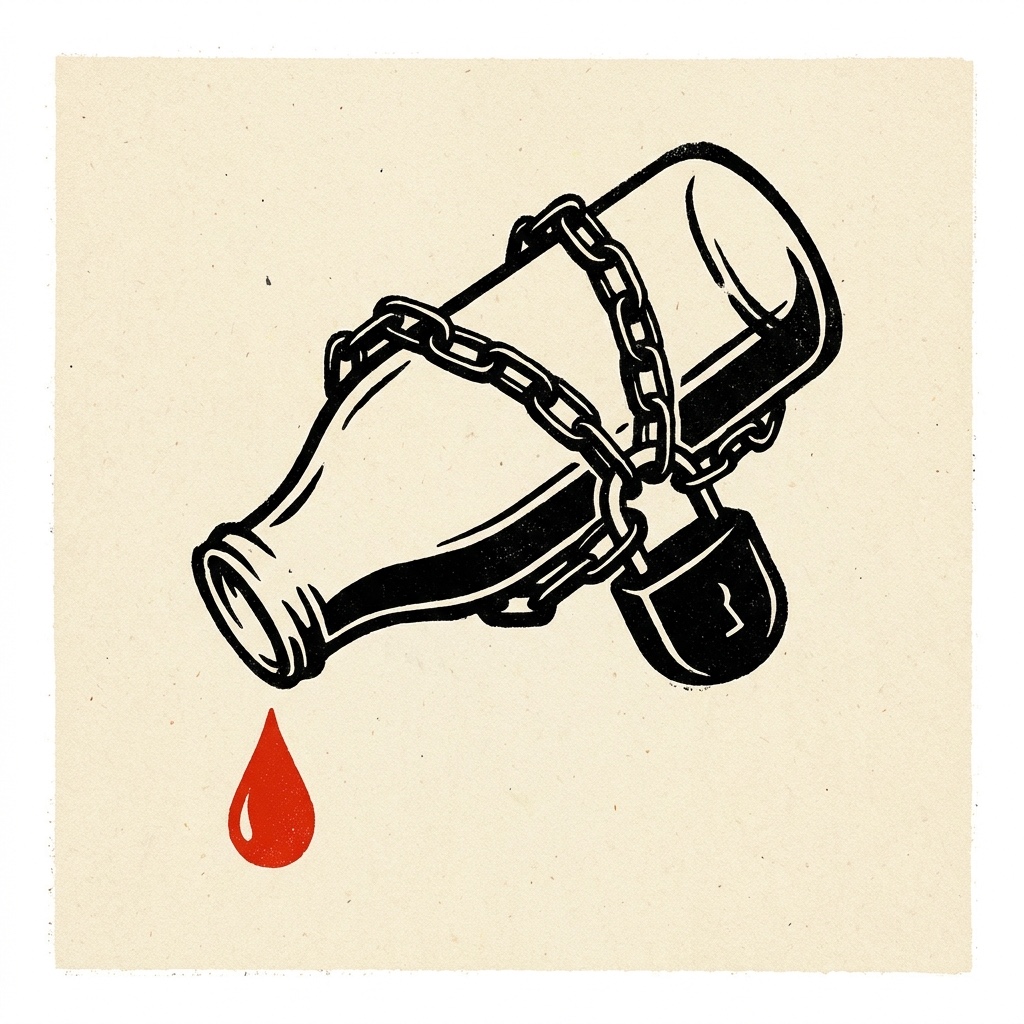
- What: A ransomware attack on Fairlife, Coca-Cola's ultra-filtered milk subsidiary, compromised systems including production-related infrastructure and forced a temporary suspension of US dairy production, disclosed in a Form 8-K on July 16, 2026.
- Impact: US manufacturing of Fairlife milk, Core Power protein shakes, and Nutrition Plan drinks stopped while Canadian operations continued; material financial impact is still undetermined.
- Fix / mitigation:There is no patch for this one: Coca-Cola activated incident response and business continuity protocols, notified law enforcement, and brought in outside cybersecurity experts while the investigation continues.
- Who's at risk: Any manufacturer whose physical production depends on IT systems, especially food and beverage operators running perishable, time-sensitive supply chains.
On July 16, 2026, Coca-Cola told its investors something no beverage giant wants in a securities filing: a ransomware attack had stopped US production at Fairlife, its dairy subsidiary. The Form 8-K, first reported by BleepingComputer's Lawrence Abrams, confirmed unauthorized access to company systems, including production-related infrastructure, and a temporary suspension of US dairy manufacturing. Canadian operations were unaffected, and the company says product quality and safety were not impacted. But the core fact stands: an intrusion into computers halted the physical output of milk.
Fairlife is not a niche brand. Its ultra-filtered milk, Core Power protein shakes, and Nutrition Plan drinks are sold throughout the United States. When those lines stop, the disruption doesn't sit quietly in a queue the way a downed web app does. Dairy is a perishable, continuously flowing supply chain, and every hour of downtime propagates in both directions, toward the shelves and back toward the supply.
What Coca-Cola disclosed, and what it didn't
The company's public account is disciplined and thin. It promptly activated incident response and business continuity protocols, notified law enforcement, and engaged outside advisors and cybersecurity experts. The investigation into the full scope is ongoing, and the material financial impact is undetermined. Beyond that, silence: no comment on whether data was stolen, no comment on extortion demands, and a spokesperson telling BleepingComputer the company had nothing additional to share beyond its public statement. Notably, no ransomware group had claimed responsibility at the time of reporting.
This story reached the public through a Form 8-K SEC filing, not a press release or a leak site. That is the post-2023 disclosure regime working as designed: investors hear about material cyber incidents fast, but in language lawyers wrote. Expect the operationally useful details, initial access, dwell time, whether data left, to arrive much later, if ever.
When ransomware becomes a production outage
The filing says systems 'including production-related infrastructure' were accessed, and that production was suspended. In incidents like this, the halt is frequently a containment decision as much as a technical failure: when you cannot quickly establish how far an intruder reached, stopping the lines is the safe move for product integrity and for the investigation. Either way, the outcome is identical from the business's perspective, the plant is down because the network is compromised. For a food producer, that converts a cybersecurity incident into a critical-infrastructure event with spoilage clocks, supplier commitments, and retail allocation decisions attached.
The RedEye take
Food and agriculture keeps proving it belongs in the critical-infrastructure conversation, and keeps getting defended like a mid-market IT shop. The Fairlife incident is the pattern in miniature: OT-grade consequences, IT-grade attack surface. Our read is that the production halt is the most telling data point in the entire disclosure. Companies do not stop revenue-generating manufacturing lines lightly; they stop them when they cannot confidently draw a boundary around the intrusion. That is segmentation debt coming due as downtime. The silence on data theft and extortion, combined with no group claiming credit yet, tells us this is early innings, leak-site claims and follow-on disclosure often lag the initial filing. And credit where due: disclosing through an 8-K within the incident window, naming law enforcement involvement, and confirming product safety is a cleaner playbook than the deny-then-drip pattern this industry tolerated for years. But defenders should not confuse a well-run disclosure with a well-defended plant. The former is now table stakes; the latter is what would have kept the milk flowing.
Coca-Cola states the material financial impact is not yet determined. For a perishable-goods producer, downtime costs compound: lost production, disposed inventory, contract penalties, and recovery labor. Treat 'undetermined' in early filings as a placeholder, not reassurance.
What defenders should learn
- Map which IT systems can stop your physical production. In most plants the halt comes through shared dependencies, ERP, MES, quality and batch-release systems, not compromised controllers. If you haven't traced that dependency graph, your ransomware blast radius is bigger than your network diagram says.
- Pre-decide your halt criteria. Fairlife suspended US production while Canada kept running, which implies a boundary the company trusted. Define in advance what evidence lets a line keep running during an intrusion and what forces a stop, so the call isn't improvised at 2 a.m.
- Rehearse degraded operations, not just restoration. Business continuity for a manufacturer means producing with IT impaired, manual order intake, offline batch records, isolated cells. If your BCP only covers restoring servers, it covers the wrong half of the problem.
- Build your materiality playbook before the incident. The 8-K clock starts fast; having legal, finance, and security pre-agreed on how to assess and describe a cyber event keeps disclosure accurate without leaking investigative detail.
- Segment so containment doesn't require shutdown. The strategic goal isn't preventing every intrusion, it's making 'stop everything' unnecessary because the compromised zone can be isolated while the rest produces.
Source: BleepingComputer, 'Coca-Cola says Fairlife ransomware attack halts US dairy production,' Lawrence Abrams, July 16, 2026. https://www.bleepingcomputer.com/news/security/coca-cola-says-fairlife-ransomware-attack-halts-us-dairy-production/
Questions about your exposure?
RedEye Security provides assessments for organizations that need to understand their real risk.
Talk to us