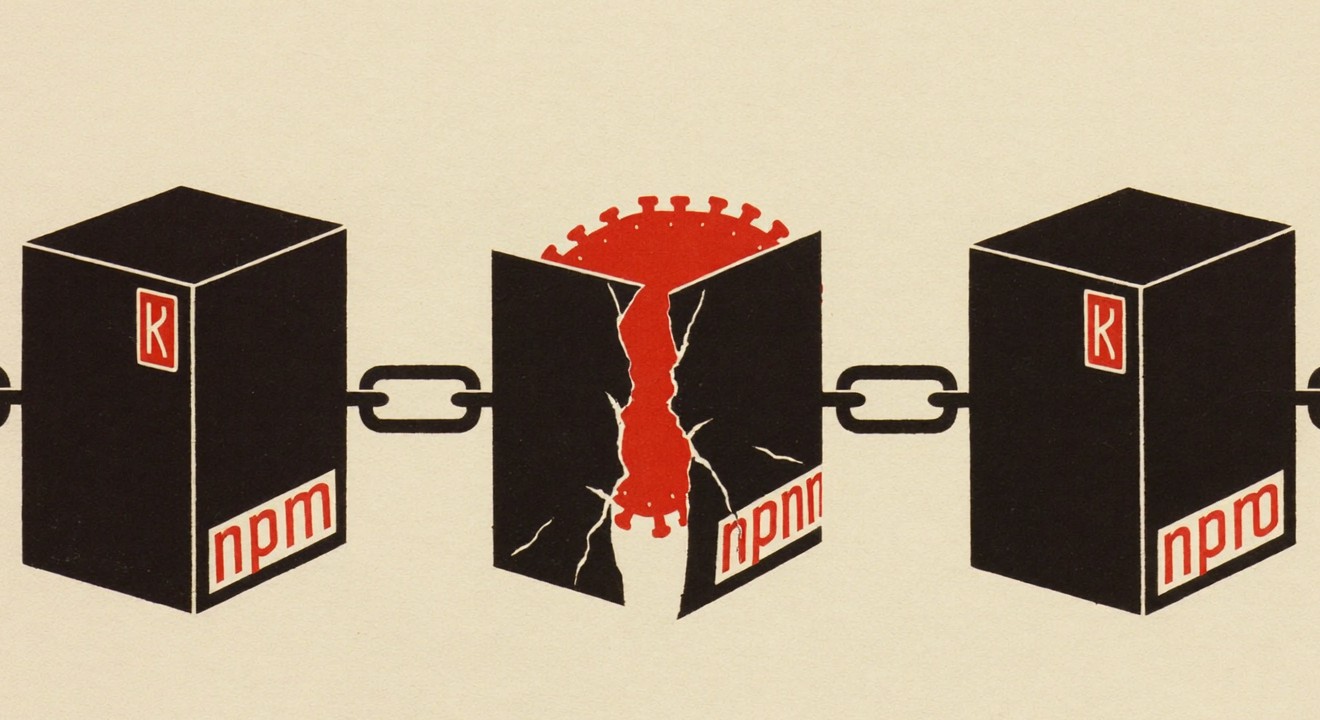
- What: Microsoft attributed a supply chain attack against the Mastra AI agent framework's npm packages to North Korean state-sponsored threat actors.
- Impact: Developers who pulled the malicious packages risk stolen credentials, crypto wallet theft, and persistent backdoors on machines that often hold cloud keys and source code.
- Fix / mitigation: Audit dependency trees for the flagged Mastra-related packages, pin and verify package integrity, and rotate any secrets exposed on affected build or developer hosts.
- Who's at risk: Engineering teams and IT managers building AI agents on Mastra or consuming its npm packages, plus any org with loose npm install hygiene.
Microsoft has linked a supply chain attack targeting the Mastra AI agent framework to North Korean state-sponsored hackers, the same operators behind a multi-year campaign to poison open-source package registries. The attackers planted malicious code in npm packages tied to the Mastra ecosystem, turning a popular tool for building AI agents into a delivery vehicle for credential theft and backdoors on developer machines.
The impact lands where it hurts most: developer and build hosts. These machines routinely hold cloud API keys, signing certificates, source code, and crypto wallets. Compromising them gives an attacker a foothold far beyond a single laptop, and in DPRK operations that foothold has repeatedly translated into both espionage and large-scale cryptocurrency theft used to fund the regime.
What happened
Mastra is a TypeScript framework for building AI agents, and like most modern JavaScript tooling it ships and pulls dependencies through npm. According to Microsoft, North Korean actors abused that distribution channel to push trojanized packages into the ecosystem. Anyone who installed an affected package executed attacker-controlled code as part of a routine npm install, with no exploit or user interaction beyond pulling a dependency.
This is the registry-poisoning playbook DPRK crews have refined for years: publish or hijack a package, bury a loader in the install scripts or runtime code, and let the package manager run it automatically. The AI tooling angle is the new twist. As teams race to ship agents, they are pulling fast-moving, lightly vetted dependencies, and attackers know it.
The North Korea connection
Microsoft attributed the activity to North Korean state-sponsored threat actors, the same cluster repeatedly tied to campaigns like Contagious Interview and earlier waves of malicious npm and PyPI uploads. These groups blend financial theft with espionage, and the developer ecosystem is their preferred hunting ground because one compromised maintainer or package can fan out to thousands of downstream projects.
A poisoned dev dependency runs with the developer's privileges and access. That means cloud credentials, CI/CD tokens, signing keys, and wallet files are all in reach. From a single compromised build host, attackers can pivot into production pipelines and downstream software that the victim org itself ships.
Why AI tooling is the new soft target
AI agent frameworks sit at a dangerous intersection. They are new, evolving rapidly, and pull broad dependency trees. They are also wired into exactly the resources attackers want: API keys for model providers, cloud infrastructure, and automation that runs with elevated trust. A backdoor inside an agent framework doesn't just sit on disk; it can ride along into the automated workflows the framework was built to power.
- Fast release cycles mean less time spent vetting transitive dependencies.
- Agent frameworks are wired to credentials, cloud resources, and automation by design.
- Hype-driven adoption creates a wide, fresh victim pool of teams installing first and auditing later.
- Install-time scripts in npm execute code before anyone reviews what they pulled.
What to do now
Treat this as a credential-exposure event for any host that touched the affected packages, not just a malware cleanup. Assume secrets that were reachable from those machines are burned.
- Audit dependency trees for the flagged Mastra-related packages and any unexpected transitive dependencies.
- Rotate credentials, cloud keys, CI/CD tokens, and signing material exposed on affected developer or build hosts.
- Pin dependencies to known-good versions and verify package integrity hashes before installing.
- Disable npm install scripts by default (`npm install --ignore-scripts`) where workflows allow it.
- Run installs and builds in isolated, ephemeral environments rather than on engineers' primary workstations.
- Hunt for outbound connections from dev hosts to unfamiliar infrastructure and review npm audit logs for recently added packages.
The bottom line
This campaign confirms that AI tooling is now squarely in the supply chain crosshairs of nation-state actors. The defenses are not exotic: dependency hygiene, install-script discipline, isolated build environments, and fast secret rotation. The hard part is that the AI gold rush is pushing teams to move faster than their security review can keep up. North Korean operators are betting on exactly that gap, and Mastra is unlikely to be the last framework they target.
Treat every npm install as untrusted code execution. Lock down install scripts, isolate build hosts, pin and verify dependencies, and rotate any secret that sat within reach of a compromised package. The cost of those controls is trivial next to a backdoored CI pipeline.
Questions about your exposure?
RedEye Security provides assessments for organizations that need to understand their real risk.
Talk to us