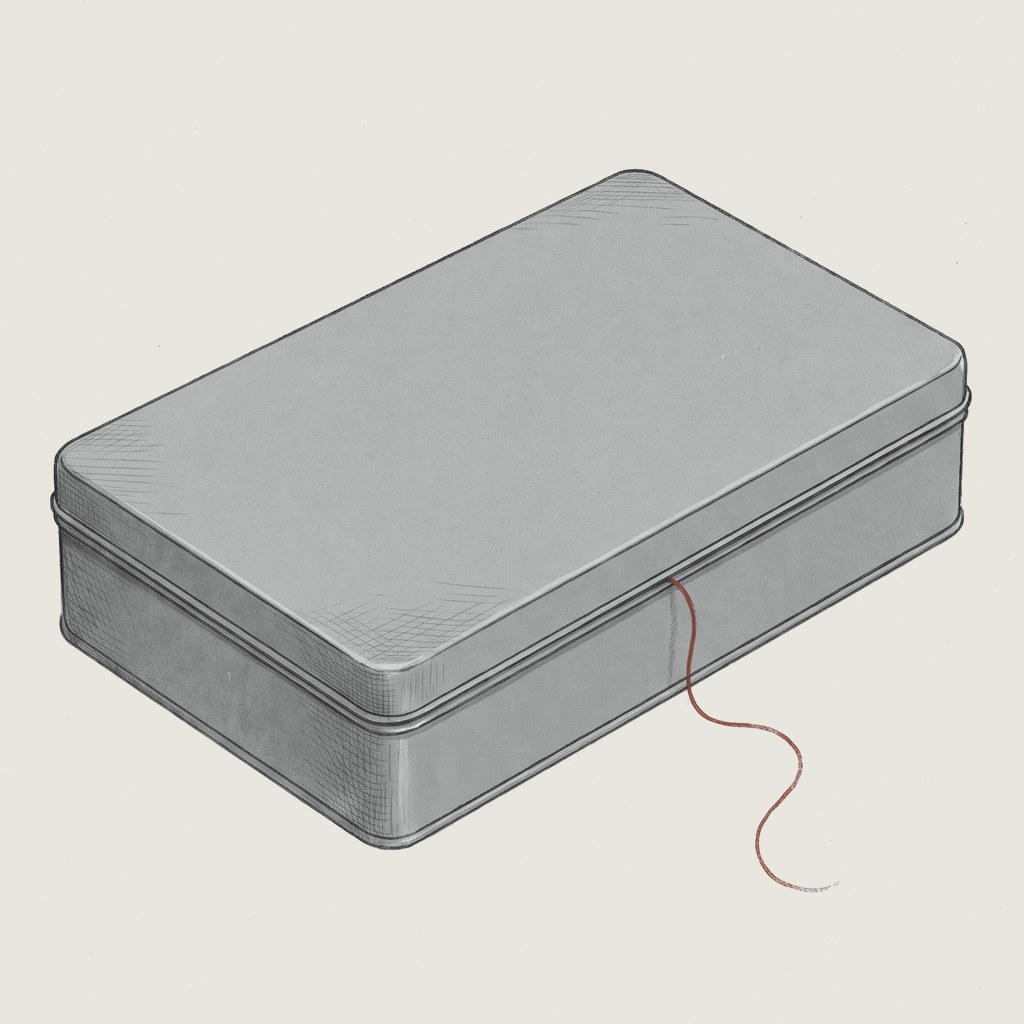
- What: Trezor confirmed that three Safe 5 wallets bought from reseller CryptoBilis carry an extra circuit board that reads the recovery phrase from the screen and sends it to an attacker server over a mobile network.
- Impact: Any recovery phrase or passphrase shown or typed on an implanted device is compromised, and Ledger has already tied implants from the same reseller to a coordinated wallet-draining operation.
- Fix / mitigation: Trezor firmware 2.13.1 for the Safe 7, Safe 5, Safe 3 and Model T stops the known implants from capturing data, and Trezor tells CryptoBilis buyers to move funds to a new wallet with a new recovery phrase and contact Trezor Support for a free replacement.
- Who's at risk: Anyone who bought a Trezor from CryptoBilis since March 2026, including through its Tokopedia and Shopee stores, and anyone who is unsure where their device came from.
Trezor has confirmed that three Safe 5 hardware wallets sold by CryptoBilis, which until recently was an official Trezor reseller in Southeast Asia, contain a hidden circuit board. The board copies recovery phrases off the device screen and sends them over a mobile network to a server run by the attackers. Trezor disclosed the finding on November 12, 2026. The implant does not touch the wallet firmware or the Secure Element. Every software integrity check on the device therefore passes, even while the seed is being sent out over cellular.
Trezor is now the second hardware wallet maker to confirm implants in devices from this reseller. Ledger had already confirmed tampered Ledger units sold by CryptoBilis, and said the attackers drained wallets in a single coordinated operation. Trezor says its implants work the same way as Ledger's, adapted to the Safe 5 display.
What the Implant Does
Trezor engineers examined one wallet in the company's lab, then extracted and analyzed the implant's firmware. They identified the other two from photos sent in by the owners. All three wallets were bought between August 20 and September 23, 2026. Trezor reports the following behavior:
- Placement: the board sits between the Safe 5 main board and its screen. It captures what the screen shows and leaves the wallet's own components untouched.
- Capture points: it copies the recovery phrase when the wallet displays it during backup creation, and when a user types it in to restore an existing wallet onto the device.
- Passphrase capture: it also copies any passphrase that appears on the screen, so the optional extra layer of protection is captured too.
- Exfiltration: it encrypts the captured data and sends it to attacker infrastructure over a mobile network. It does not need the host computer or the user's network.
- Persistence: if it cannot connect, it stores the data and keeps retrying until the upload succeeds.
The store-and-retry behavior means a wallet kept somewhere with no signal after setup is still exposed. The phrase stays on the implant until the device gets a connection.
Trezor found the firmware and Secure Element unmodified on the analyzed device. Firmware signature checks and device authenticity flows only confirm the components the implant leaves alone. A device can pass every software check and still leak its seed.
Timeline
- August 20 to September 23: the three affected Safe 5 units are purchased from CryptoBilis.
- October 9: Ledger starts investigating fund losses among CryptoBilis customers. Trezor removes CryptoBilis as an official reseller the same day.
- October 13: Trezor announces on X that it is cutting its reseller network by about 80%.
- October 28: a buyer reports a suspected implant to Trezor.
- October 30: Trezor publishes a warning before its lab has examined the device.
- Week of November 9: Trezor releases firmware 2.13.1 for the Safe 7, Safe 5, Safe 3 and Model T.
- November 12: Trezor confirms implants in three Safe 5 wallets.
The Vendor Fix and Its Limits
Trezor says firmware 2.13.1 stops the implants found so far from capturing anything on wallets that run it. The company has not said how the protection works. It is withholding technical details that could help attackers or put customers at risk. The release has one hard limit, in Trezor's words: "the update can't protect a wallet backup that was captured before it." Any phrase shown or typed on an implanted device before the update has to be treated as known to the attacker. Restoring that phrase on a clean device does not help, because the attacker already has it.
Trezor's guidance has not changed for anyone who bought a Trezor from CryptoBilis since March 2026, including through the reseller's Tokopedia and Shopee stores. The company says to move funds to a new wallet with a new recovery phrase. It says not to set up an unused wallet from the reseller and never to type an existing phrase into one. Buyers should keep the device and contact Trezor Support, which offers a replacement wallet to every CryptoBilis buyer since March. Trezor also says weighing or opening the device is not a reliable test. The company will never ask for a recovery phrase, and it warns that scammers may pose as Trezor to offer replacements or refunds.
What Is Confirmed and What Is Not
Confirmed so far: three implanted wallets, all Safe 5, all sold by CryptoBilis. After the October reports, 48 CryptoBilis buyers contacted Trezor. The company is checking their wallets in its lab or from photos of the insides, but it has not said how many it has checked. It has found no implants in wallets from its other resellers or in its other models. None of the three owners has reported lost funds. Trezor wallets are self-custodial, though, so the company cannot see balances and depends on what owners tell it.
Trezor has not said who fitted the implants or where in the supply chain that happened. It will publish an update if it confirms an implant outside CryptoBilis stock or the Safe 5, gets a report of losses linked to the implants, or ships new protections. Ledger's case had already gone past capture to actual draining. That makes the lack of reported Trezor losses a point-in-time fact, not evidence that the Trezor implants were never used.
The Reseller Cut
Trezor announced the roughly 80% cut to its reseller network on October 13. That was more than two weeks before the first implant report involving its own wallets. The company says the cut dropped trustworthy partners that posed no immediate threat but did not meet its stricter new rules. A partner letter sent that day told the dropped resellers they would get no new stock, could sell existing inventory until January 1, 2027, and would then come off the authorized seller list. Stock from those channels can therefore keep reaching buyers for about seven more weeks, under rules Trezor itself has now judged too loose.
CryptoBilis was an official, listed Trezor reseller while the affected units were sold. Buying from an authorized channel was the standard advice, and here it failed. The compromise happened inside the trusted channel.
RedEye Analysis
This campaign targets the gap between a device's secure core and its display. The secure element and signed firmware did their job, and none of it mattered: the secret appeared on a screen, and the attacker owned the wire leading to that screen. The same design gap exists in any hardware that shows or accepts secrets through a peripheral the trusted chip does not authenticate. The implant uses its own cellular link instead of the host network, so network monitoring and endpoint telemetry would not have seen the exfiltration.
For organizations that hold treasury, signing keys or custody keys on hardware wallets, the lesson is about procurement as much as technology. Two major vendors have now confirmed physical implants from one regional reseller within about a month of each other. Hardware that holds high-value secrets needs chain-of-custody records from the manufacturer to the person who sets it up. A reseller's authorized status is not enough to establish that.
Questions about your exposure?
RedEye Security provides assessments for organizations that need to understand their real risk.
Talk to us